
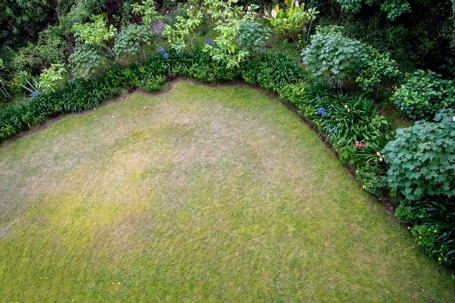
You can water faithfully, mow on schedule, and still wake up one morning to a glaring brown patch in the middle of an otherwise green yard. In Idaho Falls, that kind of problem almost never has just one simple cause, and adding more water is often the last thing your lawn needs.
As a third-generation, family-owned lawn care and landscaping company here in Idaho Falls, we've seen the same patterns repeat across thousands of yards. Our cool-season turfgrass, our winters, our soils, and even our local insects all leave clues in the way brown patches appear. Once you know what you're looking at, you can stop guessing and start fixing the real problem.
Dead or Dormant? Start Here Before Doing Anything Else
The first question to answer is whether the grass is truly dead or just taking a break.
Most Idaho Falls lawns are made up of cool-season grasses like Kentucky bluegrass and perennial ryegrass. During periods of heat or drought stress, these grasses can enter dormancy. The blades turn brown, but the crowns and roots remain alive beneath the surface.
A simple tug test can tell you a lot. Grab a handful of brown grass and pull gently. If it stays firmly rooted, the grass is likely dormant and capable of recovering. If it lifts easily from the soil with little root attachment, insects, disease, or another issue may be damaging the root system.
The pattern of the damage matters too. A lawn that browns uniformly during hot weather often points to dormancy. Isolated patches scattered through otherwise healthy turf usually suggest a more specific problem.
Fungal Disease: One of the Most Common Causes of Brown Patches
Fungal diseases can change the appearance of a lawn surprisingly fast.
Brown patch disease often appears as circular or irregular areas of thinning grass surrounded by healthy turf. Some patches develop darker or yellow-brown borders where the disease is actively spreading.
Snow mold is another common issue for Idaho Falls homeowners. After a long winter, circular areas of matted, discolored grass can appear as the snow melts. Mild cases often recover on their own, while more severe damage may require additional lawn care measures.
Several conditions increase disease pressure:
- Frequent evening watering
- Excess moisture on the grass overnight
- Thick thatch buildup
- Poor air circulation
- Dull mower blades
A dull mower blade doesn't make a clean cut. Instead, it tears the grass, creating ragged edges that are more vulnerable to stress and disease.
Insect Damage Often Starts Below the Surface
Some brown patches begin where homeowners can't see them.
Grubs feed on grass roots beneath the soil. As roots disappear, the turf loses its ability to absorb water and nutrients, causing sections of the lawn to brown and weaken.
One telltale sign of grub damage is turf that lifts easily from the soil, almost like loose carpet.
Billbugs create a different type of damage. Their larvae feed within stems and crowns, weakening grass from the inside out. Because the symptoms often resemble drought stress, billbug infestations are frequently misdiagnosed.
When insects are the cause, watering more rarely fixes the problem because the root system itself has been compromised.
Soil Conditions and Lawn Care Habits Matter Too
Not every brown patch is caused by disease or insects. The soil beneath your lawn plays a major role in overall turf health.
High-pH soils common throughout Eastern Idaho can limit nutrient availability, particularly iron. This may lead to pale, yellowing, or patchy areas that resemble disease but are actually nutrient-related.
Compacted soil is another common contributor. When soil becomes dense, roots struggle to grow deeply and access moisture. Areas with heavy foot traffic often develop stress symptoms first.
Common trouble spots include:
- Around gates
- Near sidewalks
- Play areas
- Frequently traveled pathways
Thatch buildup can also create problems by restricting the movement of water, air, and nutrients into the soil while creating favorable conditions for disease.
Common Maintenance Mistakes That Create Brown Spots
Even healthy lawns can develop brown patches when routine maintenance falls out of balance.
Mowing too short is a common example. Short grass exposes the soil to more heat and sunlight, increasing moisture loss and stress.
Pet urine often creates small, distinct patches with darker green edges and brown centers.
Overwatering, underwatering, and poorly adjusted sprinkler heads can all create isolated problem areas that look similar at first glance.
That's why identifying the cause before applying a treatment is so important. The wrong solution can waste time while the real issue continues to spread.
How to Narrow Down the Cause
The shape, timing, and location of a brown patch often provide valuable clues.
Circular patches that appear after snowmelt may point toward snow mold. Areas that suddenly develop during midsummer may be linked to drought stress, insects, or irrigation issues.
Pay attention to:
- Whether the grass pulls up easily
- How wet or dry the soil feels
- The shape of the affected area
- Recent weather patterns
- Any changes to watering or fertilization
Looking at the bigger picture often helps narrow the problem down quickly.
Preventing Brown Patches Before They Start
Most brown patch problems can be reduced with consistent lawn care practices.
Water deeply rather than lightly and frequently. Early morning irrigation gives the grass time to dry before evening, reducing disease pressure.
Annual core aeration can help relieve compaction, improve drainage, and encourage deeper root growth.
Balanced fertilization supports healthier turf without creating excessive growth that may invite disease problems.
Keeping mower blades sharp and maintaining a mowing height around 2.5 to 3 inches also helps cool-season grasses handle Idaho Falls summers more effectively.
When Brown Patches Keep Returning, It's Time for a Closer Look
Brown patches are frustrating because different problems often create nearly identical symptoms. What looks like drought stress may actually be insect damage. What appears to be a disease could be a soil issue, an irrigation problem, or thatch buildup.
If sections of your lawn continue to struggle despite your best efforts, a professional evaluation can help identify the root cause and prevent unnecessary treatments.
Questions about what's causing brown patches in your lawn? The Yard Butler provides lawn care, fertilization, core aeration, pest control, irrigation services, and lawn health evaluations throughout the Idaho Falls area.
Call (208) 844-4177 or contact us online.