
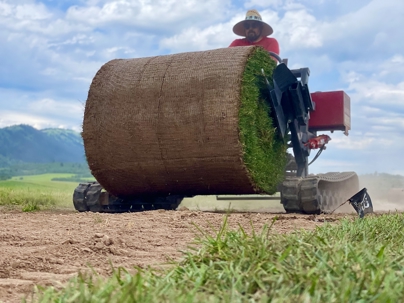
A lush, green yard is the pride of any Idaho homeowner, but achieving that perfect carpet of grass requires more than just good seeds and water. In our unique high-altitude climate, timing is the most critical factor for success. Whether you are looking at a fresh start for a new home or reviving a tired landscape, understanding the seasonal windows of the Snake River Plain will help your investment grow deep roots.
Understanding the Idaho Climate for Turf Success
Idaho presents a unique challenge for growing grass because our seasons shift quickly, and our air is quite dry. Most lawns in Idaho Falls and the surrounding areas consist of cool-season grasses like Kentucky Bluegrass or Fescue. These varieties thrive when the soil is warm, but the air is mild, which is why the middle seasons are so important.
If you plant when it is too cold, the seeds will stay dormant, or the delicate new roots of sod may freeze. If you plant during the heat of July, the young grass may be scorched before it has a chance to establish itself. Success depends on hitting that Goldilocks zone where the weather supports natural growth cycles.
Consider these climate factors before starting your project:
- Soil temperature needs to be consistently above 50°F for seeds to sprout.
- Daytime air temperatures between 60°F and 75°F are ideal for root development.
- Early morning and late evening moisture levels stay higher during the spring and fall.
The Advantages of Early Fall Installation
Many experts agree that late August through mid-September is the premier window for lawn installation in Eastern Idaho. During this time, the soil has been warmed by the summer sun, which acts like a natural heating pad for new roots. At the same time, the cooling air temperatures reduce the stress on the blades of grass.
Fall also brings a natural decrease in weed competition. Most common garden weeds are finishing their growth cycle in the autumn, giving your new grass the space and nutrients it needs to take over. This head start allows the lawn to establish a strong root system before going dormant for the winter, leading to a much greener yard come springtime.
Key benefits of choosing a fall start include:
- Warm soil allows for much faster seed germination compared to chilly spring dirt.
- Young grass faces less intense "evapotranspiration," meaning it loses less water to the air.
- The lawn has two full cool seasons (fall and the following spring) to mature before facing summer heat.
Why Spring is a Close Second
If you missed the fall window, the period from late April to early June is your next best opportunity. As the ground thaws and the spring rains begin, the environment becomes very welcoming for new growth. This is the time when most homeowners feel the itch to get outside and start their landscaping projects.
The main challenge with spring is the unpredictable Idaho weather. A late frost can be hard on very young sprouts, and the window between thaw and summer heat can sometimes be very short. However, with consistent moisture and proper soil prep, a spring-installed lawn can be well-established enough to survive the July sun.
To make the most of a spring installation, keep these tips in mind:
- Wait until the danger of a heavy, deep-freeze frost has passed for the season.
- Be prepared to increase watering frequency as the days get longer and hotter.
- Ensure your soil is dry enough to work; mud can become compacted and suffocate new roots.
The Challenges of Summer and Winter Planting
While it is technically possible to install a lawn in the heat of summer, it is much more difficult and expensive. The amount of water required to keep a new lawn alive in 90°F weather is significant. High heat puts the grass in a "survival mode" rather than a "growth mode," which can lead to patchy results or weak roots that struggle later in the year.
Winter installation is generally not recommended in our region. When the ground is frozen, roots cannot penetrate the soil, and water cannot reach the plant. Attempting to lay sod over frozen ground often results in the grass drying out and dying before the spring even arrives.
Preparing the Ground for a Professional Result
No matter when you choose to plant, the secret to a high-end lawn is in the dirt. Simply throwing seeds or sod over old weeds and hard-packed soil rarely leads to long-term success. The ground must be cleared, leveled, and loosened to allow air and water to reach the root zone.
This preparation stage is often the most labor-intensive part of the process. It involves removing old debris, ensuring proper drainage so water doesn't pool near your foundation, and potentially adding nutrient-rich topsoil. Taking the time to do this correctly ensures that your grass doesn't just look good for a week, but stays healthy for years.
Essential preparation steps include:
- Clearing away rocks, old stumps, and existing weed growth.
- Grading the area to ensure water flows away from structures.
- Loosening the top 4 to 6 inches of soil to prevent compaction.
Achieving Rooted Excellence in Your Backyard
Choosing the right time for your lawn project is the difference between a yard that struggles and a yard that thrives. By aligning your installation with Idaho’s natural growth windows in the spring or fall, you save yourself time, money, and water. A properly timed start ensures your landscape remains resilient against our local climate shifts and provides a beautiful space for your family to enjoy.
At The Yard Butler, we understand the technical demands of the Idaho environment. Our team provides professional lawn installation and sod installation that begins with expert site preparation and precision grading. Whether you are starting with new construction or need a complete yard renovation, we apply our generational expertise to ensure your grass is healthy from the very first day.
Ready to transform your property with a pristine new lawn? Contact our expert team today or call (208) 844-4177 to schedule your professional assessment and get on our seasonal calendar!